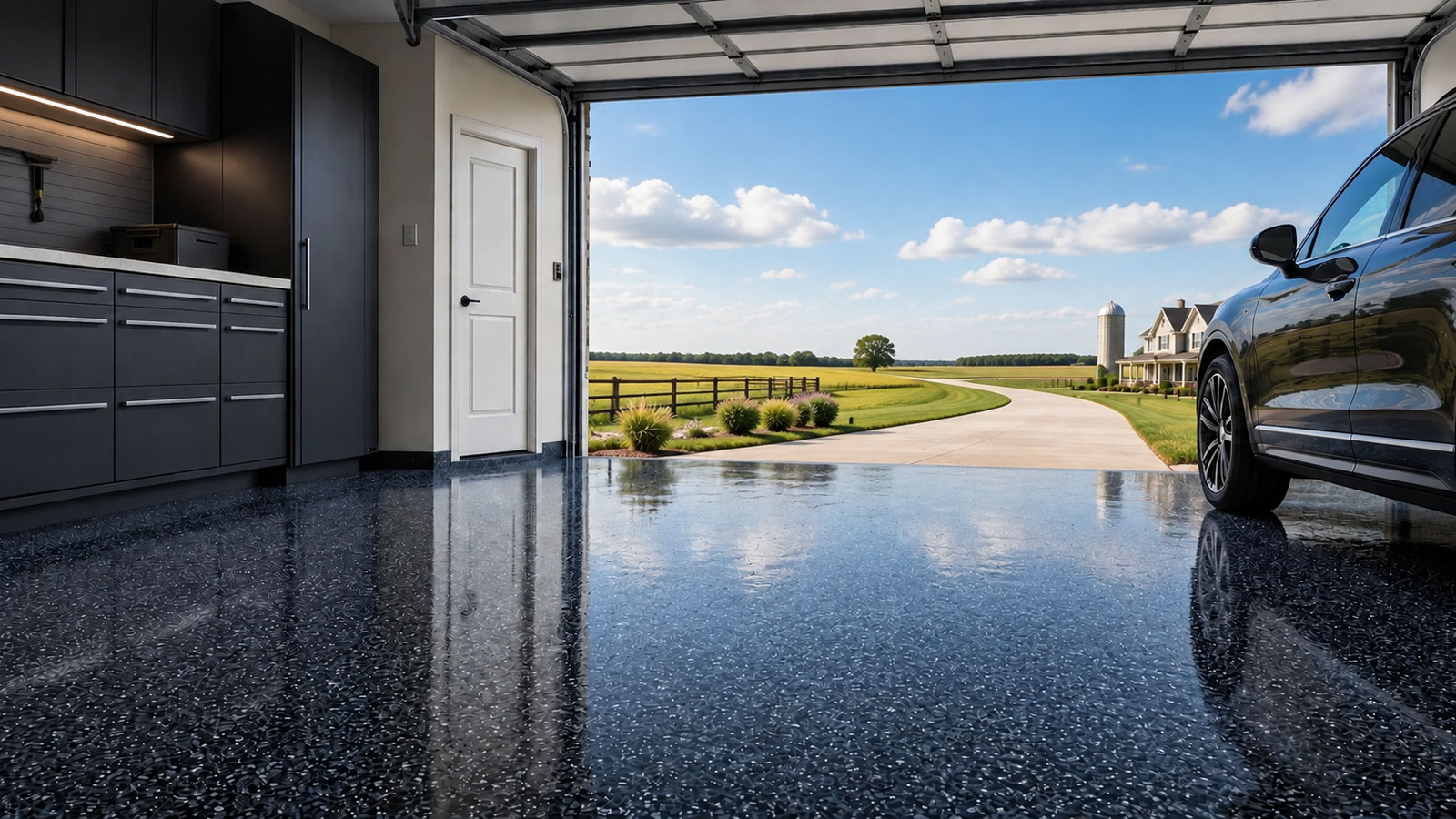
Garage Floor Coatings in San Antonio, TX
Garage floor coating research and estimate-request guidance for San Antonio and the northeast metropolitan corridor.
Floor Coating Information for San Antonio, TX
San Antonio is the major metro anchor for the Cibolo Epoxy territory, but the city covers far more varied property contexts than a single suburban subdivision. Established residential areas, newer northeast-corridor development and commercial spaces can differ in garage configuration, previous finishes and day-to-day use. A coating professional should identify what is on the actual concrete before recommending grinding, repair, epoxy or polyaspartic. The age of a house or business does not establish when its slab was poured or whether its surface is ready to coat.
San Antonio also has a well-documented hot climate. National Weather Service 1991–2020 normals for the city show an average July maximum of 94.9°F and mean of 84.8°F. Rainfall follows a less even pattern: the same July climate normal shows 2.41 inches of precipitation, while other months and individual storms can be much wetter. Surface temperature at a sunlit garage entrance can differ markedly from shaded interior concrete, and driveway runoff deserves actual site inspection.
For homeowners, that combination points to two decisions: evaluate the slab itself and plan the coating around actual installation and use conditions. A textured decorative-flake finish, glossy epoxy and fast-cure topcoat involve different practical tradeoffs, but none will repair poor drainage, hide active structural movement or compensate for contaminated concrete. Project choices should follow sound preparation and a realistic vehicle-return schedule.
Local Market Insight
Official San Antonio climate normals document July average highs near 95°F, making substrate temperature and exposed entries relevant. The metro's varied property contexts mean floor inspection is more useful than a generic regional product promise.
What Affects Garage Floor Coating Cost in San Antonio?
San Antonio proposals should explain why the floor's history and use matter alongside square footage. A bare residential slab, previously painted garage and heavy-use shop may require different surface removal, cleaning, crack repair and coating specifications.
The city's hot summers, sun-exposed entries and episodic rainfall can also change scheduling and the questions to ask about moisture and traction. Those factors should be evaluated, not assumed across every address.
- Past paint and surface treatments: An older finish, curing agent or incompatible sealer may require grinding or removal before new coating. Prior surface history is a more useful cost predictor than the home's age alone.
- Cracks, pitting and patches: Visible deterioration, repaired joints and potentially active movement require assessment. A project-specific repair plan may be necessary before a decorative finish is applied.
- Garage entry and rainfall: Local stormwater conditions vary block by block. Observe roof drains, driveway grade and threshold water history rather than pricing generic waterproofing from the city's climate alone.
- Daily use and contamination: Parking, hobbies and commercial activity can introduce oil, grit and cleaners that affect preparation. The proposed system should reflect actual traffic and cleaning.
- Area, walls and edges: The count of bays, steps, drains, stem walls and surface transitions changes labor. Square footage is useful but does not capture all preparation or detail work.
- Heat and cure schedule: San Antonio's summer temperatures matter for manufacturer-approved application windows. Flake finish, topcoat choice, traction and required return-to-use time also affect bids.
Call for a clear, project-specific estimate—or request one online.
San Antonio Heat and the Coating Application Window
The National Weather Service's 1991–2020 San Antonio climate normals report a July average maximum of 94.9°F and mean temperature of 84.8°F. July's normal monthly precipitation is 2.41 inches. Those are not abstract climate adjectives: during a garage installation, a sunlit strip near the door can be much hotter than shaded interior floor, while rapidly changing weather can affect the conditions available for surface preparation, application and cure.
The installer should assess the concrete rather than rely on the air temperature or product brochure alone. Some systems have working-time, substrate-temperature and moisture limits. Fast cure can be convenient when a garage cannot remain out of service for days, but a hurried installation outside those limits is not a sound trade. Ask how the installer handles unusually hot days and how the schedule changes if surface conditions are unsuitable.
Vehicle traffic brings another consideration. Cars returning after a hot drive put warm tires directly on the finished surface. Discuss the complete topcoat and adhesion preparation for that intended use. A finish marketed as tough is not automatically appropriate over an old painted slab or embedded oil residue. Mechanical profiling and compatible layers still determine much of the result.
For homeowners, plan ahead for alternative parking and storage while the floor cures. Get a written timeline specifying when foot traffic, shelving and vehicles can safely return. The most useful contractor comparison includes preparation and timing details, not just a claim that one chemistry is categorically superior.
From Northeast Suburbs to Working Garages: Water and Use
San Antonio's role as the metro anchor means the service footprint includes different settings, from established urban homes to recent northeast development and more commercial garage or workshop uses. Those contexts help frame questions, but they cannot tell an installer whether any particular slab is older, newer, cracked, dry or coated. An estimate should start with visible condition and history of the floor in front of the contractor.
Rainwater is a real part of the regional climate. The practical garage-floor issue is what happens at that particular driveway during storms. Ask whether gutters discharge across the approach, the door threshold shows watermarks, or repeated wet spots appear inside when adjacent concrete is dry. Municipal geography and average rainfall do not diagnose property moisture, so suspected intrusion requires testing or further evaluation where warranted.
An epoxy or polyaspartic finish cannot redirect surface runoff or stabilize a failing foundation. Address exterior water entry and serious structural deterioration separately. Once the slab is appropriate, discuss texture in areas regularly exposed to wet shoes or tracked-in water; high-gloss looks, thicker flakes and anti-slip choices each affect cleaning and appearance.
A home garage used only for parking may be easier to plan than a hobby workshop with oils, equipment and rolling tools, while commercial concrete has still different loading and downtime requirements. State the actual use and cleaning methods before finalizing the system specification. The contractor should explain surface profiling, contamination removal, repairs, layer sequence, curing and maintenance without making promises that a coating is maintenance-free.
Keep photographs of existing cracks or paint failure and a list of previous sealers or coatings. This information helps obtain accurate, comparable estimates and avoids surprise preparation costs once work starts.
Frequently Asked Questions
Is summer too hot to install a coating in San Antonio?
Not necessarily. The area's July average high is around 95°F, but actual substrate conditions and the manufacturer's application limits govern scheduling. The installer should check the slab and adjust the timing when needed.
Can epoxy stop rainwater entering a San Antonio garage?
No. A coating can make sound concrete easier to clean, but it cannot fix water entering because of driveway grade, downspout discharge or a threshold defect. Address those causes separately.
Should a new-looking concrete garage floor be ground?
The surface still needs evaluation and preparation appropriate to the selected system. New-looking concrete can have finishing treatments, residues or defects that affect bond strength; appearance does not prove coating readiness.
Is decorative flake useful for everyday parking?
It can provide an attractive, cleanable finish and choices in texture. Compare traction, cleaning, hot tires, UV at garage openings and maintenance requirements before selecting the complete coating system.
What should be included in a written San Antonio quote?
Ask for inspection findings, grinding and old-coating removal, crack repair, detailed coating layers, edges and steps, surface texture, curing conditions and a firm explanation of when cars may return.
San Antonio Neighborhoods & Local Context
Typical Two-Car Garage
$3,000–$5,500
Planning range only. Final pricing depends on floor size, concrete condition, preparation, coating type, and finish options.
Helpful Guides
Other Service Areas